
How Arrest Warrants Work in Spotsylvania County
Virginia Code §§19.2-71 and 19.2-72 govern who may issue criminal process and what an arrest warrant must contain. A sworn complaint comes first. Then a judicial officer finds probable cause and signs a written command naming the person and the offense. In Spotsylvania County, that officer is often a magistrate, who may also issue a summons or hold a bail hearing. The court docket and the Sheriff's records can each show a different step of the same process, so one entry rarely tells the whole story.
Spotsylvania County Arrest Warrant Review
A complaint can go before a magistrate or another official authorized by law. The magistrate weighs the sworn facts. If probable cause holds up, process issues. A clerk can tell you where the court file sits, though the clerk has no say in whether a warrant issues or gets recalled. The Virginia magistrate office runs 24 hours; call ahead for access instructions, especially when the court is unknown or bail is the question. Virginia's magistrate overview walks through complaint review, process, and bail.
Arrest Warrants: What They Contain
State law spells out what an arrest warrant holds. Expect a name or description, the charged offense, a command to arrest, and the signing judicial officer. A case number, issue date, bond order, and return details tie the paper to the court file. Spotsylvania County publishes no sample warrant, so treat these fields as questions for the clerk rather than a copied record.
| Process identifier | Use the case or docket number; no local public warrant-number format was verified. |
|---|---|
| Name or description | Identifies the person to whom the arrest command applies. |
| Offense | States the charge or legal basis connected to the process. |
| Issuing officer and court | Shows who signed or controls the process and where to ask about it. |
| Bond or bail | Record any court-set terms that are legally public; confirm current conditions. |
| Issue and return | Dates and service information may appear in court and agency records separately. |
Spotsylvania County Arrest Warrant Fields
Section 19.2-72 fixes the identifying and offense details a warrant must carry. It creates no public warrant-number format and no countywide roster. The clerk of the issuing court is the one to ask for a case number and the status terms that court actually uses. Bond can sit in a separate order from the warrant itself. A magistrate or judge sets release terms under Virginia law, and the jail carries them out if the person is in custody. Read Virginia Code § 19.2-72 for the statutory elements.
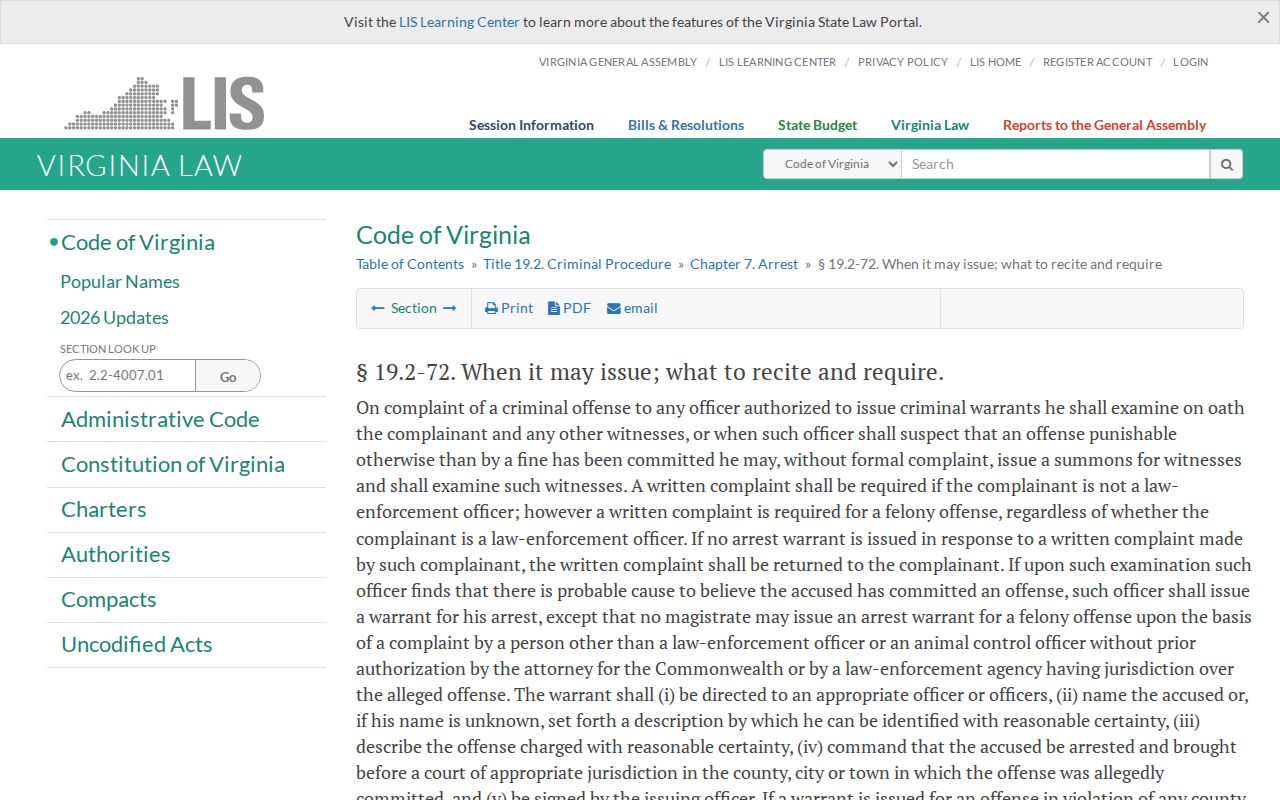
That statute covers warrant contents only. It is not a public listing of active warrants in Spotsylvania County.
How Warrants Get Served in Spotsylvania County
Virginia Code §19.2-76 lets authorized law-enforcement or jail officers execute a warrant anywhere in the Commonwealth and return it to court. The Sheriff's Communications and Civil/Warrants page describes county intake and routing, though it does not assign every warrant to a single unit. After an arrest, the person goes before a judicial officer for bail. Rappahannock Regional Jail handles booking, bond-hearing scheduling, and release under the judicial order if the person is held there.
Spotsylvania County Warrant Entry and Return
The court file may show issuance and later return, while the Sheriff keeps an operational record and the system entries Virginia law requires. Warrants must be entered into VCIN and NCIC and removed when process is destroyed. Those systems stay closed to anyone outside authorized agencies. A recall order, a service return, and the agency's update can land at three different points, so a docket entry alone proves little. Keep every court order and ask the issuing office how to confirm the operational record changed. Section 19.2-76 addresses execution and return. The Circuit criminal department also describes felony files, indictments, appeals, and arrest authorizations.
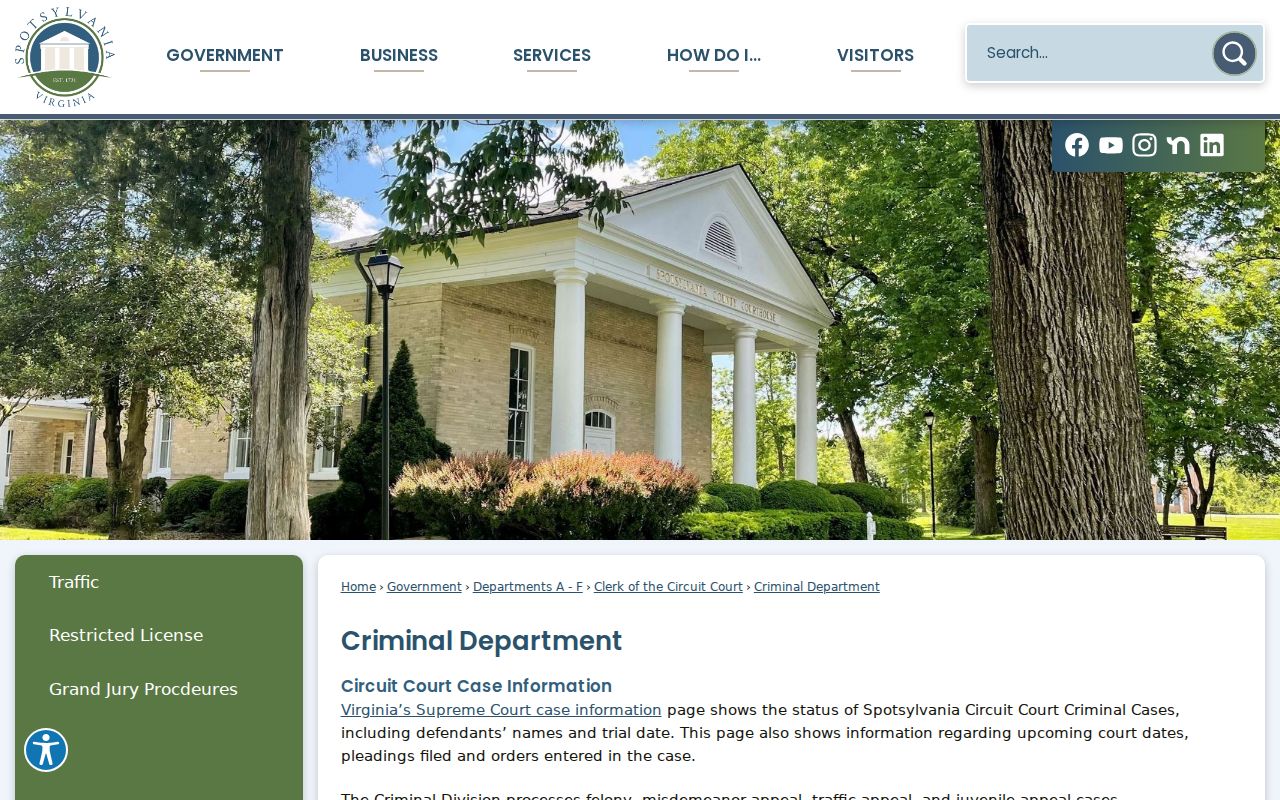
Ask the Spotsylvania office that controls the court file. An incomplete docket entry is no substitute.
Arrest Warrants, Summonses, and Bench Warrants
An arrest warrant tells an officer to arrest the named person. A summons orders an appearance instead. A capias, which people often call a bench warrant, can follow an indictment, a missed setting, or noncompliance. Go by the formal label in the file, and see the Spotsylvania bench warrant information for the local capias route.
| Feature | Arrest Warrant | Summons | Bench Warrant |
|---|---|---|---|
| What it orders | Arrest of the named person | Appearance on a stated date | Arrest under court process |
| Basis | Sworn complaint and probable cause | Court or authorized officer process | Indictment, nonappearance, or noncompliance, depending on posture |
| Who issues it | Magistrate, judge, or authorized clerk | Court or authorized officer | Court controlling the case |
| How to respond | Call issuing court or counsel about appearance and bail | Appear as directed | Ask issuing court about appearance, motion, or payment |
Spotsylvania County Arrest Warrant Service
The Spotsylvania Sheriff handles warrant intake and routing, but Virginia law lets authorized officers execute process statewide. Which agency serves a given warrant depends on the case and on the officer who runs into it. The public record does not map every serving unit. Search-warrant affidavits follow their own access rule, separate from arrest warrants. Virginia Code §19.2-54 generally makes a filed affidavit inspectable after execution or 15 days, whichever comes first, subject to temporary sealing, and that timing has no application to arrest warrants. The search-warrant statute explains the affidavit rule.
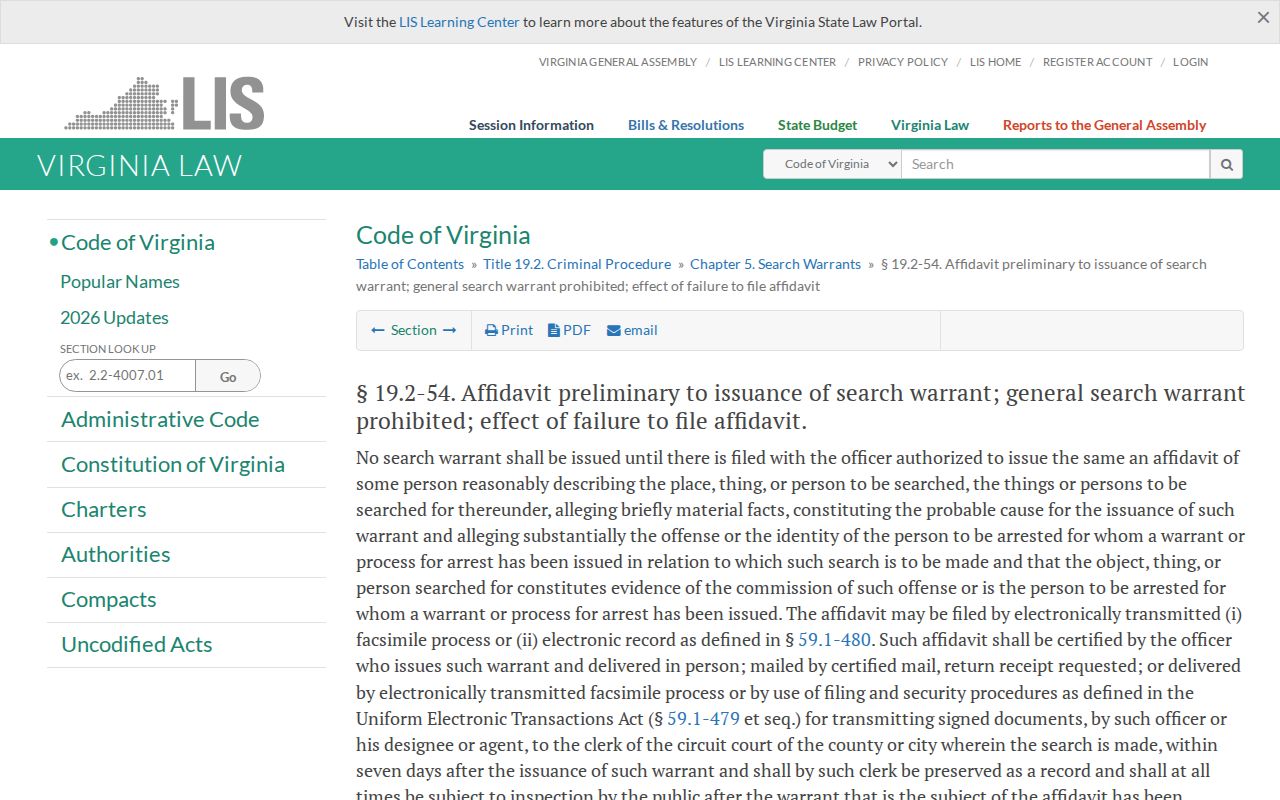
Confirm which kind of process the court issued before asking about public access.
Handling an Arrest Warrant in Your Name
Call the issuing court or magistrate first. Confirm the case and ask how to appear. A lawyer can advise on a voluntary appearance, a motion to recall or quash, or bond. Spotsylvania County publishes no walk-through guarantee, no surrender counter, and no universal recall form. If the person is detained, the jail handles booking and release under the judicial order. Bond may secure release, but it does not dispose of the charge. Keep the written order and confirm any Sheriff record update with the responsible office.
Important: Ask counsel and the issuing court how to arrange an appearance or bond review; only the court can decide whether to recall its warrant.
Federal Warrants Use a Separate Court
Spotsylvania County courts have no say over federal warrant status. The county sits in the Richmond Division of the Eastern District of Virginia, so federal matters run through federal court and agencies like the U.S. Marshals Service. A county case search cannot certify federal process. PACER’s Case Locator covers public federal cases, not warrants. A federal warrant may be sealed or missing from the public docket entirely. With a federal concern, reach the federal clerk, your counsel, or the agency involved. The Eastern District’s jurisdiction page identifies the Richmond Division.
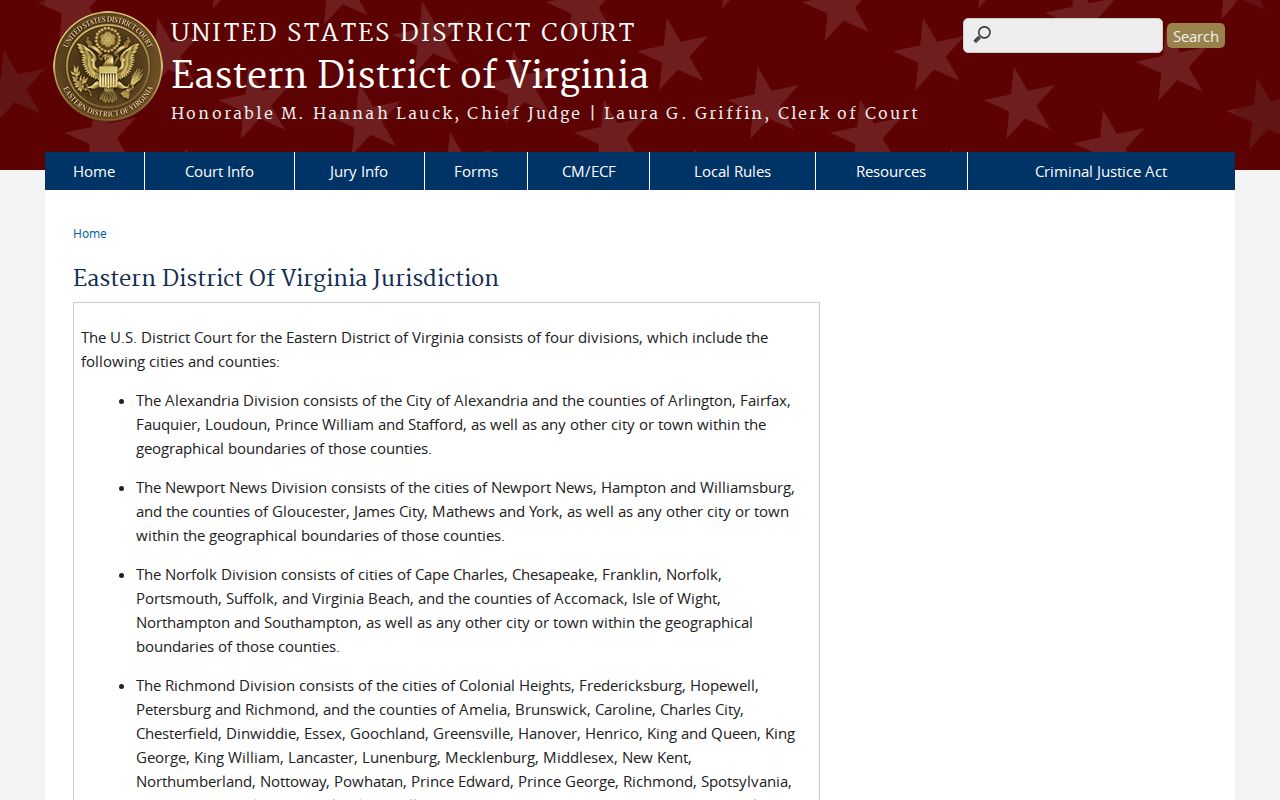
A federal warrant runs through a different court than a Spotsylvania County case. If someone is already in custody, Rappahannock Regional Jail posts how booking works and when bond hearings are scheduled for local warrants.
For current custody routing, call the jail's published intake line rather than scanning a public roster.